
A cracked or heavily worn tooth often needs more coverage than a filling can provide, which is why a dental crown remains one of the most common restorative treatments at New Rochelle Dental Arts. Patients considering dental crowns in New Rochelle usually want to know exactly what the appointment involves before committing to treatment.
Why a Crown Might Be Necessary First
Not every damaged tooth needs this level of coverage. However, a few situations tend to send patients toward this restoration rather than a smaller fix:
- A tooth is cracked, fractured, or worn down from grinding.
- A cavity is too large for a standard filling to support.
- A tooth recently finished root canal treatment and needs added protection.
Any of these situations can leave a tooth vulnerable to further damage without the right coverage.
The Crown Procedure, Step by Step
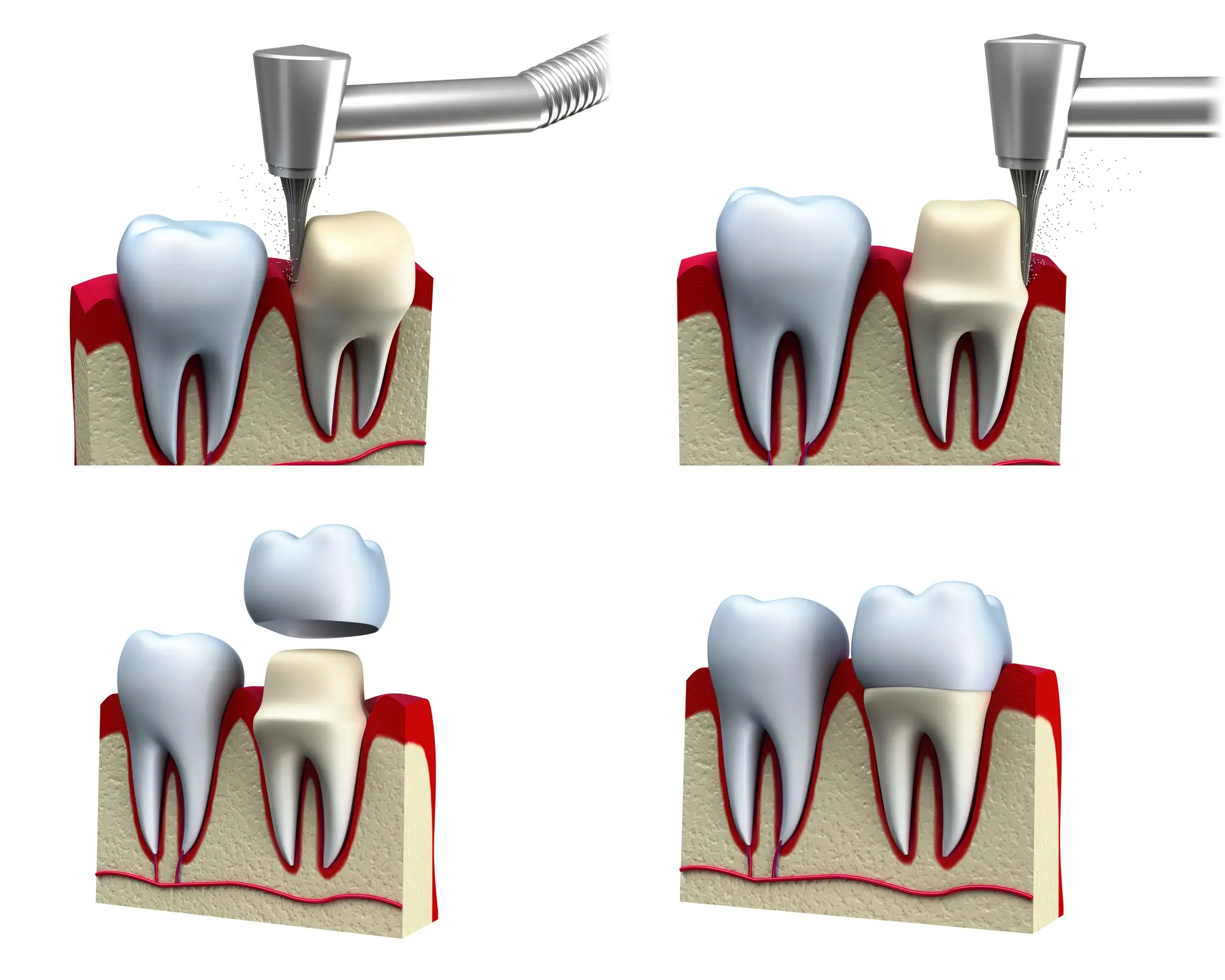
Once a crown is recommended, the process generally follows the same four stages.
Step One: Exam and Preparation
The appointment starts with a comprehensive dental exam to confirm the tooth is a good candidate and rule out deeper issues. The area is then numbed before any shaping begins.
Step Two: Shaping the Tooth and Taking an Impression
The dentist removes a thin layer of the tooth's surface to make room for the crown, then takes a precise impression or digital scan. This step is what makes getting a crown such a customized process, since no two teeth are shaped exactly alike.
Step Three: Wearing a Temporary Crown
While the permanent crown is being crafted, a temporary one protects the tooth for a week or two. Patients who feel nervous about any part of the process can ask about sedation dentistry to stay relaxed throughout.
Step Four: Fitting the Permanent Crown
At the final visit, the temporary crown comes off, and the permanent one is carefully checked for fit, bite, and color match before it is cemented into place. Cleveland Clinic's overview of dental crown care notes that a properly fitted crown can last many years with routine brushing, flossing, and regular checkups.
Frequently Asked Questions About Getting a Crown
A few questions come up in almost every consultation.
How Long Does the Whole Process Take?
Most crowns require two visits spaced about one to two weeks apart. The first covers preparation and the temporary crown, while the second seats the permanent restoration.
Does Getting a Crown Hurt?
Local numbing keeps the preparation appointment comfortable, and most soreness afterward is mild. Over-the-counter pain relief is usually enough for any lingering sensitivity.
Will a New Crown Match the Rest of the Smile?
Modern crown materials are shade-matched to surrounding teeth before the final restoration is crafted, so the result blends in rather than standing out. Porcelain and ceramic options, in particular, are chosen for how closely they mimic natural enamel.

Ask About Dental Crowns in New Rochelle Today
A damaged tooth rarely gets better on its own, and understanding the process ahead of time can make the decision easier. Reach out and schedule a consultation with New Rochelle Dental Arts to find out if dental crowns are the right fit for your smile.