
Types of Dental Implants We Offer
Every patient's needs are different, so we offer several implant options to fit the number of teeth you're replacing, your bone health and your budget.
Mini Dental Implants
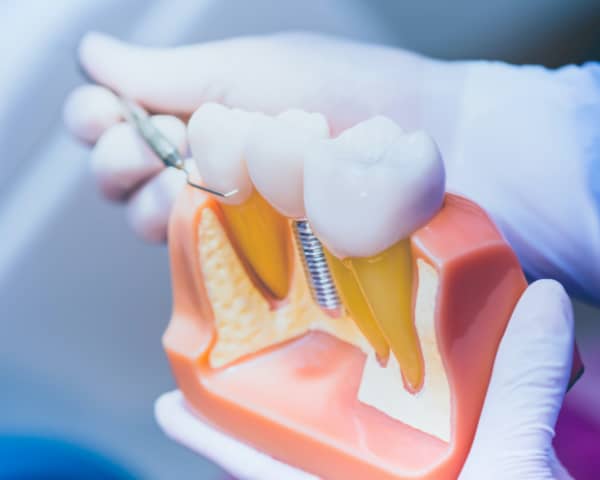
Mini dental implants are narrower than traditional implants and are most often used to secure a lower denture that slips or feels loose. Placement is often completed in a single visit, and because the procedure is less involved, mini implants are typically a more affordable option than traditional implants. They can also help patients who have been told they don't have enough bone for traditional implants. In some cases, your existing denture can be adapted to snap onto them, lowering the cost further. If your denture no longer fits well, see the signs it's time to replace or update your dentures.
Implant-Supported Bridges
A traditional dental bridge is anchored to your natural teeth, which must be filed down to support it. An implant-supported bridge is anchored to dental implants instead, so your healthy teeth stay untouched. At our New Rochelle dental office, we restore these bridges with implant-supported dental crowns custom-designed to match the color, shape and function of your natural teeth. It's a stable, long-lasting way to replace several missing teeth in a row.
Single Tooth Implant
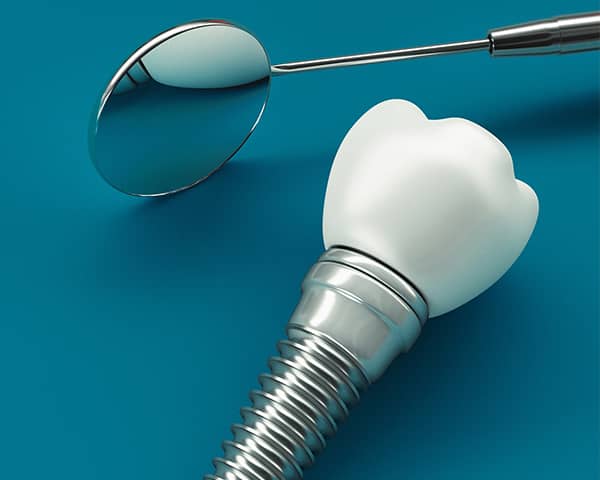
A single tooth implant replaces one missing tooth without relying on the teeth next to it, unlike a conventional bridge, so your healthy neighboring teeth are preserved. The implant and its crown can't develop cavities or need a root canal, and single tooth implants have among the highest long-term success rates of any tooth replacement. The gums around an implant still need regular brushing, flossing and checkups to stay healthy. If you have a damaged tooth and aren't sure whether to save it or replace it, our guide to root canal vs. extraction can help.
All-on-4 Full Arch Implant Procedure
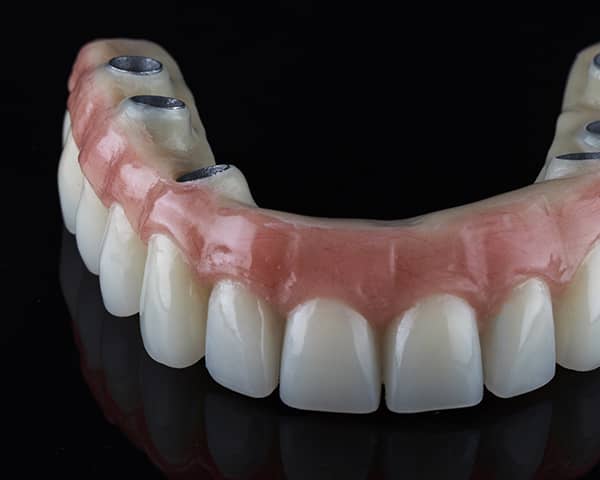
All-on-4 replaces an entire upper or lower arch of teeth using just four strategically placed implants. A fixed, full-arch set of teeth is attached to the implants, so unlike traditional dentures, it doesn't come out, slip or rub against your gums. Remaining failing teeth can often be removed, the implants placed, and a temporary set of teeth attached on the same day, so you leave with a complete smile. After the implants fuse with your jawbone, usually over a few months, we replace the temporary teeth with your final, custom-made set.
Because the teeth are firmly anchored, patients can chew and speak with confidence and enjoy a much wider range of foods than with removable dentures. Learn more about the physiological benefits of modern full-arch restorations.
Caring for All-on-4 teeth is straightforward: brush twice a day, clean under the bridge with a water flosser or special floss, and keep up with regular professional checkups and cleanings.
A Cost-Effective Way to Replace a Full Arch
Because All-on-4 uses fewer implants than replacing each tooth individually, it's often a more cost-effective choice when you're replacing most or all of your teeth. We'll review every option with you to find the best treatment for your needs and budget, and flexible financing is available.
Same-Day Dental Implants
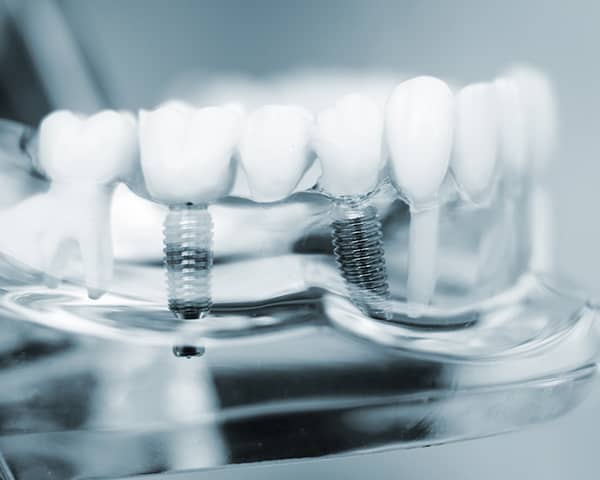
Implant technology has come a long way. For many patients, it's now possible to place an implant and attach a temporary tooth in a single visit, often right after a damaged tooth is removed with a tooth extraction. You won't have to go without a tooth while you heal, which means less time off work and fewer days spent self-conscious about a gap. Once the implant fully fuses with your jawbone, we attach your permanent crown.
Not every patient is a candidate for same-day implants. It depends on your bone density, gum health and the location of the tooth. We'll evaluate your needs during your consultation and walk you through the options. Learn what to expect during your first dental implant appointment, and see our week-by-week guide to tooth replacement recovery.
Bone Grafts & Sinus Lifts
Implants need enough healthy jawbone to fuse with. After a tooth is lost, or when gum disease has damaged the bone, the jaw can gradually shrink. A bone graft rebuilds the bone in these areas, preserving the natural contour of your jaw and creating a strong foundation for your implants. Grafting can often be done at the same time as a tooth extraction to prepare the site for a future implant.
In the upper back jaw, the sinuses sit just above the roots of the teeth, and there may be too little bone to hold an implant, especially after tooth loss or gum disease. A sinus lift solves this. Your dentist makes a small opening in the jawbone, gently lifts the sinus membrane upward, and places bone graft material in the space beneath it. Once the new bone has healed, it provides a secure foundation for your implant. If you feel anxious about grafting or implant surgery, ask about sedation dentistry.
